Nature in Extremadura

Extremadura is one of the best-preserved natural regions in western Europe, with national parks, dehesa woodlands, reservoirs, and some of the best birdwatching on the continent.

Low population and little industry have kept much of Extremadura wild. You'll find dehesa woodlands, mountain ranges, open steppes, and large reservoirs, plus a remarkable number of protected areas.

Highlights for nature lovers:

Each season brings a different landscape and a different set of birds, from the common cranes of winter to the great bustards of the open plains.

Monfragüe National Park

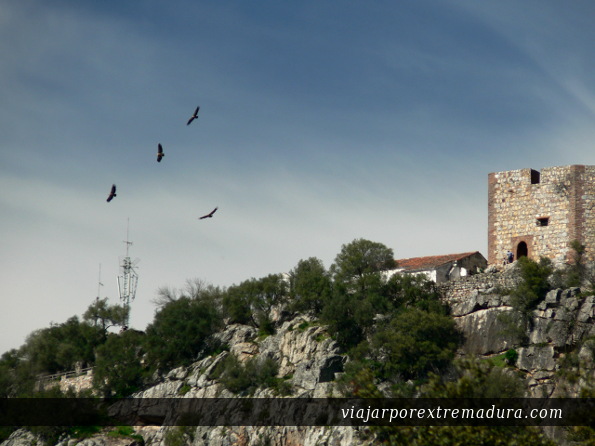
Monfragüe National Park is located between Navalmoral de la Mata, Plasencia and Trujillo, and is one of the most important ornithological zones in Spain. In this amazing environment, imperial eagles, black vultures, and griffon vultures fly over the park.
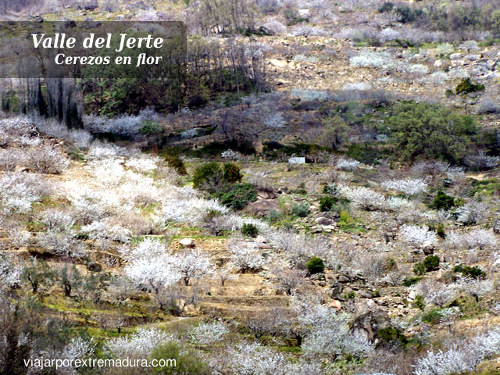
Best Time to Visit Extremadura

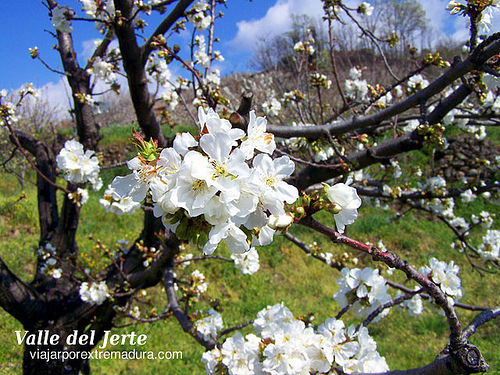
A season-by-season guide to the weather in Extremadura, from cherry blossom in spring to cranes and mild days in winter.

Cornalvo Natural Park

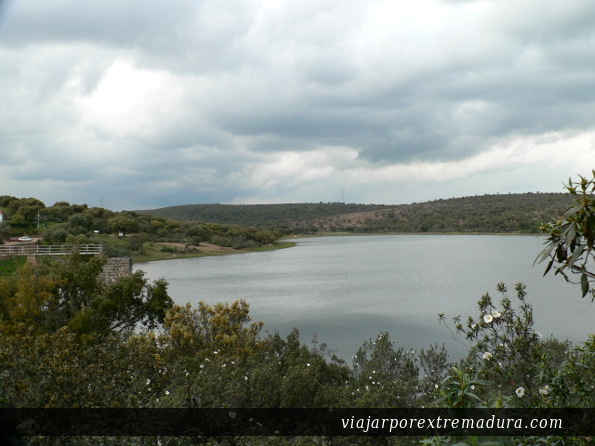
Holm oaks and cork oaks surround the Roman dam of Cornalvo, which was built over the Albarregas River to supply water to Augusta Emerita (Mérida).

Los Barruecos natural park

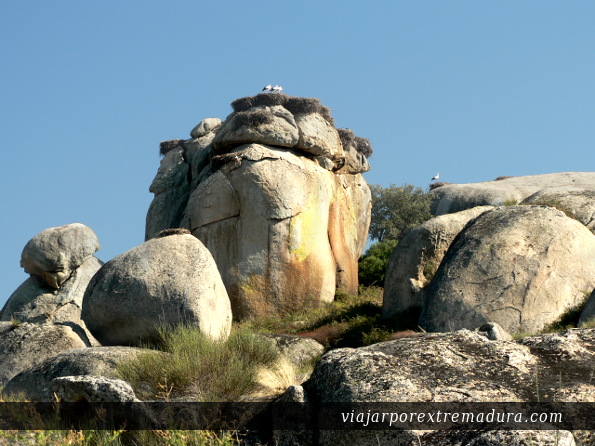
The Natural monument of Los Barruecos is composed of large granite stones on the edge of ponds. The Vostell Museum is located inside the park, in an 18th Century wool washing place.

Villuercas Ibores Jara Geopark

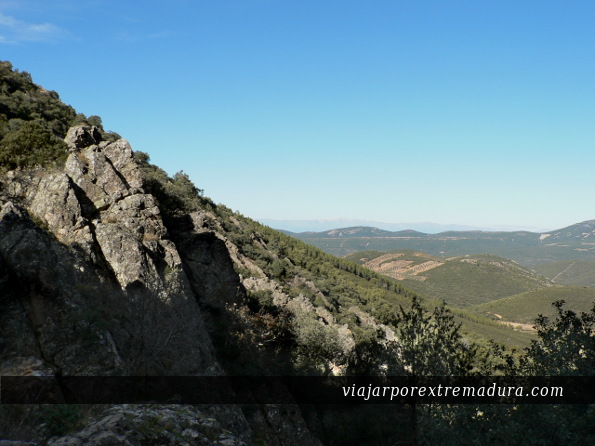
The Villuercas-Ibores-Jara Geopark is extraordinarily rich in natural heritage including protected birds, biodiversity corridors, monumental trees, and Biosphere Reserves.

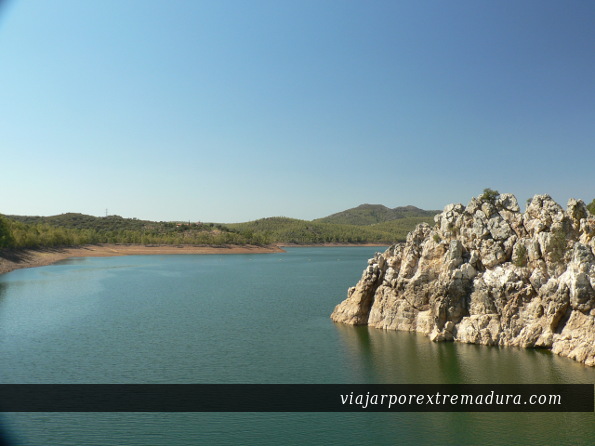
La Serena, land of plains and water

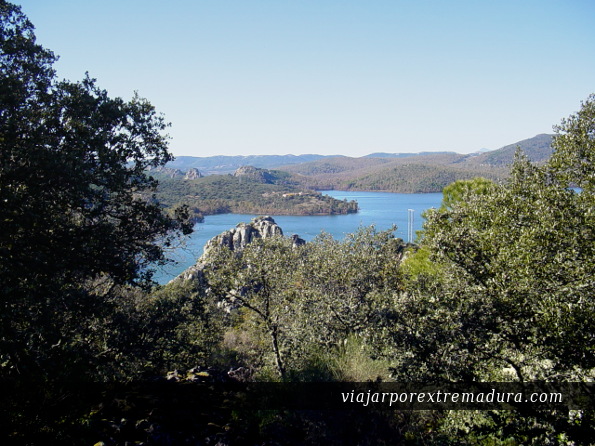
La Serena is a wide plain in eastern Badajoz province, known for its large reservoir, its birdlife, its cheeses, and the Tartessian site of Cancho Roano.

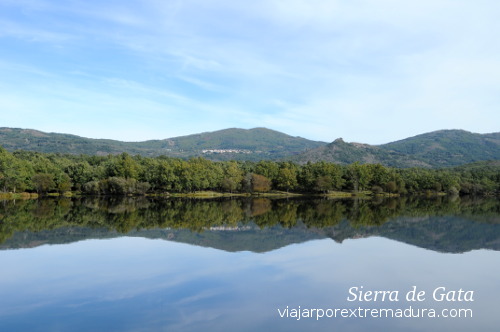
Sierra de Gata: mountains, valleys, landscapes

Sierra de Gata is one of those fabulous places full of incomparable corners that enrich those who go there. It is located on the border with Portugal; this situation increases its cultural legacy, a memorable magical touch to all the towns and villages of Sierra de Gata.

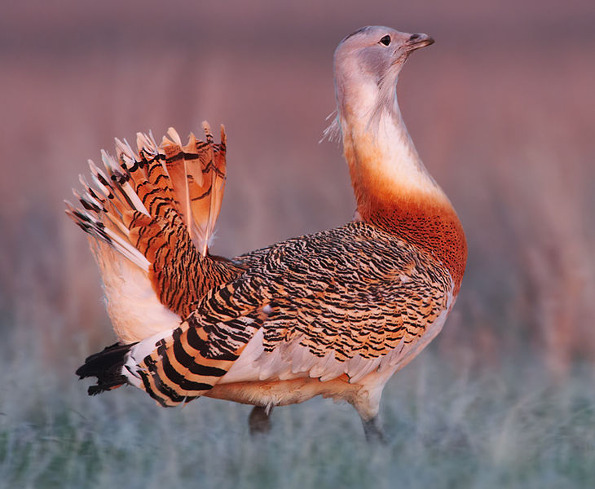
Great Bustard - The queen of plains

The great bustard is one of the heaviest flying birds in the world, with large males weighing up to 20 kg (44 lb). Extremadura holds about 25% of the Spanish population, around 15% of the birds worldwide.

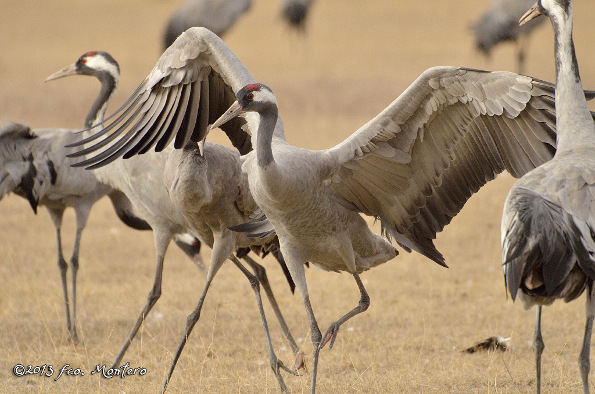
The crane (Grus grus) in Extremadura

Every winter, about 75,000 cranes come to Extremadura. This region is nowadays the main winter habitat for the European crane. Cranes cover 3,000 kilometers in three weeks from their nesting habitats in the North of Europe.

Llerena in the south east land

Llerena, the historic heart of Campiña Sur, is a Mudejar town surrounded by dehesas where great bustards and cranes feed.

Siberia in Spain

La Siberia is a remote region of northeastern Badajoz, known for its large reservoirs, birdlife, and dark night skies.

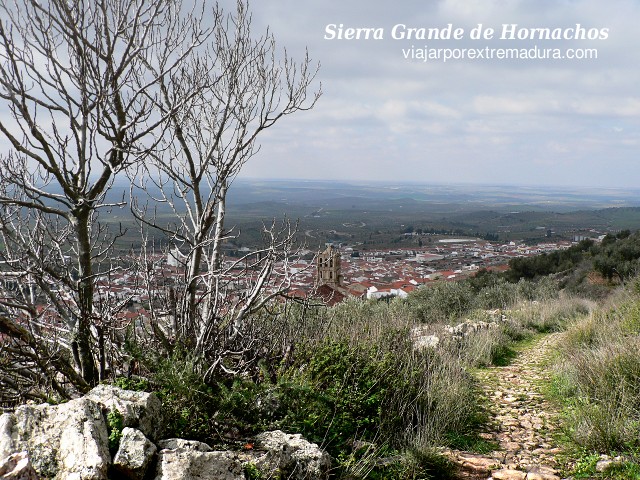
Sierra Grande de Hornachos mountain range

A protected mountain range in the center of Badajoz province, with holm and cork oak forests and rocky peaks where griffon vultures and golden eagles nest.